 Gen AI Innovation
Most people treat AI like a search engine. Type in a rough question, take whatever comes back, move on. It works well enough that most people never stop to ask what they're leaving on the table.
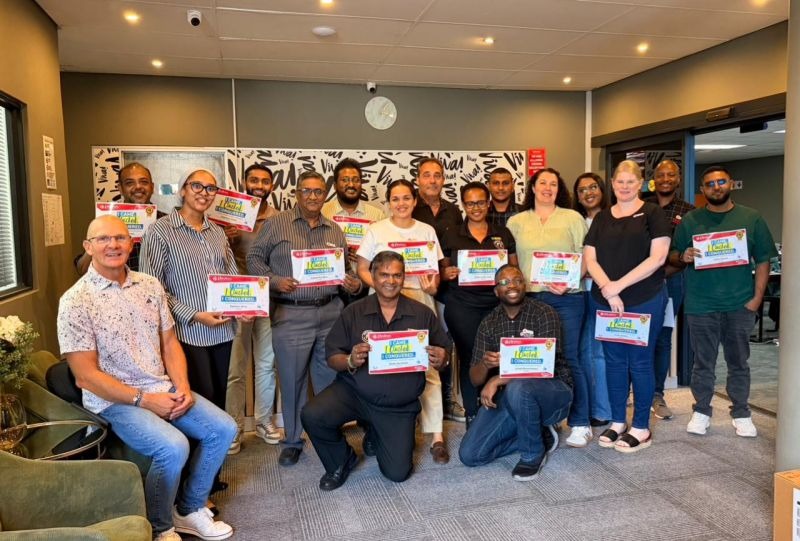
Facilitating the AI Productivity Workshop with the dynamic team from the fast-growing Pedros and Bird & Co brands, that gap really hit home.
Think of AI Like a Highly Capable New Employee
Imagine a brilliant new hire on their first day. Enormous knowledge, real potential, but give them a vague brief, and you'll get vague work back. Give them the right context, a clear role, and a well-framed task, and they'll exceed your expectations every time.
That's exactly how AI works. Prompt engineering isn't a technical skill reserved for developers, it's simply the practice of communicating with AI the way it was actually designed to respond.
Same Tool, Completely Different Output
Weak prompt: "Give me ideas to improve customer retention."
Strong prompt: "You are a leading customer experience consultant working with a mid-sized Quick Service Restaurant brand. Give me five practical ideas to improve customer retention. Focus on low-cost interventions. Explain the reasoning behind each one in plain language."
Same underlying model. Same underlying question, really. But the second prompt gives it a role, an industry, a constraint, and a format, and the output reflects every one of those choices. The first prompt could come back with anything. The second one comes back with something you can actually use in a QSR business, today.
The Gap Widens With Complexity
This isn't just a nice-to-have. Research backs it up: a well-structured prompt can produce two to three times better results on reasoning tasks compared to a vague one. And the more complex the task, the wider that gap becomes. A simple factual question might survive a lazy prompt. A genuine business problem rarely does.
What the Room Told Me
Every single participant in that AI Productivity Workshop mentioned the "How to Design Your Own Prompts" session as the most useful part of the day. The words that came up again and again: "a game changer." "Mind-blowing."
Not because the technique is complicated. Because most people had never been shown it before, they'd simply been typing questions the way they'd type into Google, and getting Google-quality specificity back.
The Highest-Leverage Change You Can Make
If you're using AI at work like a search engine, and you haven't yet started thinking about your prompts intentionally, that's the single highest-leverage change available to you right now. Not a new tool. Not a bigger subscription. Just a better-framed ask.